
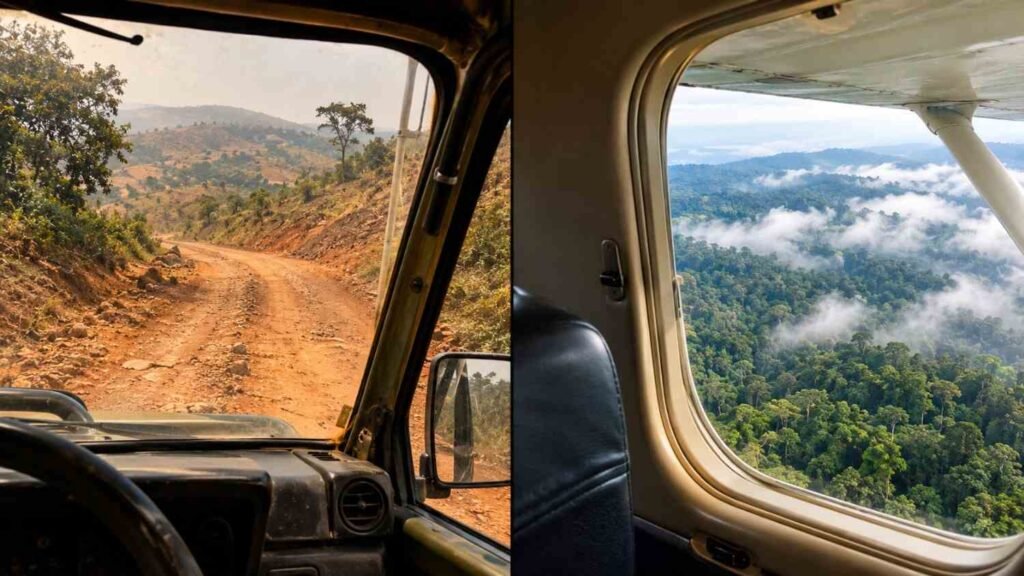
Why Choose Fly-In Gorilla Trekking Tours Over Road Transfers?
Beneath the mist-laden canopy of Uganda’s Bwindi Impenetrable and Mgahinga Gorilla National Parks, every moment spent with mountain gorillas is unforgettable. How you reach these untouched sanctuaries defines your journey, shaping comfort levels, conservation impacts, and your energy to fully engage with the wild. Modern fly-in safari logistics, designed for reliability, comfort, and conservation, open the door to a seamless exploration for international travelers intent on witnessing these endangered primates up close.
Planning a gorilla trekking expedition involves a unique web of requirements: government-issued conservation permits, health regulations, complex routing, and careful booking. For those weighing the refined comfort of a fly-in tour against traditional, long road transfers, each option promises a different rhythm and set of trade-offs. Making sense of these choices not only influences your physical experience, but aligns your travel with the highest standards in safety, efficiency, and ethical tourism. This guide brings clarity to the differences, advantages, and considerations at stake, drawing on the depth of expertise and ethical standards reflected in Country Sights Tours and Travel’s commitment to well-curated sustainable safaris.
Travel logistics, park regulations, and wild beauty converge here – let’s compare how you can access Uganda’s gorilla tracking sectors, the unique benefits of flying, who benefits most, and exactly what to plan for a rewarding and responsible journey.
Understanding Fly-In Gorilla Trekking Tours
Fly-in gorilla trekking tours streamline the journey from Uganda’s international gateways directly to the edge of the forest, bypassing long, rugged road hauls. These experiences cater specifically to international travelers seeking the highest levels of comfort, efficiency, and compliance.
- Priority gorilla permit management: Permits are secured directly with the Uganda Wildlife Authority, ensuring official access to protected gorilla families.
- Premium flight segments: Depart from Entebbe International Airport or Kajjansi Airfield on light aircraft – either scheduled or chartered – landing at the closest airstrip for your trek.
- Private ground transfers: Continue via comfortable 4×4 Land Cruisers from airstrip to lodge and briefing points.
- Complete hospitality: Full-board premium lodges, dietary customization, English-speaking guides, and advance itinerary planning.
- Strict health and conservation standards: Use of medical-grade face masks, mandatory distance from gorillas, and waste-free protocols.
Definition, Inclusions, and Exclusions
Included in a typical fly-in package:
- Local flights connecting Entebbe/Kajjansi to Bwindi or Mgahinga (Kihihi or Kisoro airstrips)
- Private ground transfers to lodges and gorilla trek start points
- Official gorilla trekking permits, provided upon full payment
- Luxury eco-lodge or camp accommodations with all meals
- Uganda Wildlife Authority park fees and professional wildlife guiding
- Personalized dietary arrangements on request
- Complete planning and assistance throughout the journey
Common exclusions:
- International airfare to Uganda
- Passports, visas, and required health documentation (including Yellow Fever Certificate)
- Personal insurance or medical clearance
- Optional tours, spa treatments, and gratuities (unless detailed in package)
Key Airstrips: Kihihi and Kisoro
- Kihihi Airstrip: The portal for northern and some eastern Bwindi sectors, particularly Buhoma and occasionally Ruhija. A 45–60 minute scenic drive leads into forest hills and tea plantations, heightening the anticipation of your trek.
- Kisoro Airstrip: Gateway to Bwindi’s southern regions (Rushaga, Nkuringo) and Mgahinga Gorilla National Park, offering travel times to trailheads between 30 minutes and one hour over volcanic slopes and lakeside routes.
Overview of Gorilla Trekking Sectors
- Bwindi Impenetrable National Park: Divided into four distinct sectors – Buhoma (north), Ruhija (east), Rushaga (south), and Nkuringo (southwest) – each separated by challenging topography and travel time.
- Mgahinga Gorilla National Park: Uganda’s compact but biodiverse gorilla reserve bordering Rwanda and the DRC, accessed mainly from Kisoro with unique opportunities to track both gorillas and golden monkeys.
Always ensure your choice of airstrip, accommodation, and trekking permit align – Uganda Wildlife Authority strictly enforces this mapping and all changes must be authorized and managed in advance.
Fly-In vs Road Transfer: A Direct Comparison
How you travel to the gorilla parks influences not just convenience, but also impacts your time in the wild, physical readiness, and even environmental footprint. The table below presents the most significant differences for international guests to consider:
| Feature | Fly-In Approach | Road-Transfer Approach |
|---|---|---|
| Travel Time | 1–1.5 hour flight plus ground transfer; total typically 2–3 hours | 8–10 hours by road, often split with overnight in Mbarara |
| Comfort Level | Airstrip lounges, scenic low-altitude flight, limited road fatigue | Long, sometimes bumpy drives; risk of exhaustion |
| Door-to-Door Efficiency | Rapid, managed route; direct lodge transfers after landing | Variable stops and detours at driver’s discretion |
| Luggage Limits | Strictly enforced (15–20kg, soft duffel bags) | Generous baggage allowance with private vehicle |
| Cost Consideration | Higher due to aviation, bundled in luxury packages | Lower per-person for overland groups |
| Sustainability Context | Less road mileage, lower on-site vehicle pressure in parks | May be lower emissions per traveler depending on group size |
| Weather Risks | Susceptible to mist or rain delays at mountain airstrips | Roads can become impassable in wet conditions |
| Post-Transit Energy | Arrive rested and alert for trekking | May require recovery time from road journey |
| Personalization | Fixed route but highly curated experience | Flexible route with more opportunities for detours |
Key Differences at a Glance
- Time Efficiency: Fly-in tours can reduce travel by 6–8 hours compared to overland drives, transforming a daylong journey into an early morning or midday arrival at the edge of the forest.
- Physical Comfort: Avoiding hours of unpaved roads preserves energy needed for high-altitude treks.
- Environmental and Logistical Impact: Ask your tour specialist about the latest policies and practices for minimizing environmental impact and maximizing operational reliability.
Why Opt for Fly-In Gorilla Trekking Tours?
Stepping from a sleek aircraft into crisp mountain air and witnessing the emerald folds of Uganda’s protected forests unfold is the signature of a fly-in gorilla trekking tour. This approach isn’t just a logistical upgrade – it amplifies the luxury, wellness, and sensory immersion that marks a truly memorable wildlife journey.
Major Advantages
-
Preserve Your Energy and Maximize Time:
Spend less time en route and more actively exploring the wild. Reduce transit from 8–10 hours by road to 2–3 hours door-to-door, keeping you fresh for the demanding trek. -
Ideal for Limited Schedules and Comfort Seekers:
Short vacation windows, families with different endurance levels, older travelers, and those with reduced mobility all find fly-in tours essential for enjoying the adventure while minimizing strain. -
Bypass Rugged Terrain and Enhance Safety:
Uganda’s road network to the gorilla parks features winding mountain passes and unpaved sections. Flying provides a smooth, uninterrupted travel experience and reduces fatigue, letting you focus on the wonders ahead. -
Seamless Integration with Luxury Services:
Private 4×4 Land Cruiser pickups, premium eco-lodges, and expert wildlife tracking guides await you at the airstrip, setting the stage for personalized, top-quality service. -
Trusted, Reliable Operations:
Every segment – permit procurement, flight booking, ground transfer, and lodge check-in – is professionally managed for accuracy, safety, and adherence to Uganda Wildlife Authority guidelines and health policies.
Those prioritizing conservation should consider eco-friendly Bwindi gorilla trekking and cultural safaris, which blend efficient fly-in logistics with low-impact lodges and genuine local partnerships, amplifying your positive contribution to the region.
Considerations Before Booking a Fly-In Tour
A luxury fly-in safari operates with clear regulations and specialized support – here’s what you need to prepare for an efficient and stress-free journey:
-
Costs:
Expect a flight sector premium of $250–$400 per person, each way (subject to yearly adjustment). Most luxury operators include this in bundled packages; clarify with your agent. -
Luggage Limits:
Light-aircraft carriers universally restrict baggage to 15–20kg (soft duffels only). Rigid luggage can result in denied boarding or extra fees – pack strategically with advice from your outfitter. -
Weather Vulnerabilities:
Flights to Kihihi and Kisoro can be rescheduled or delayed due to mountain weather, particularly in rainy months. Always include an extra buffer day when planning international connections. -
Ground Transfers Required:
Even with fly-in, a 30–90 minute vehicle ride remains from the airstrip to your lodge or briefing post, depending on trekking sector and accommodations. -
Permit, Airstrip, and Lodge Alignment:
Uganda Wildlife Authority ties each gorilla permit to a park sector. Mismatched bookings can result in lost time or missed experiences. Only book flights after your permit and lodging are confirmed for the same sector. -
Permit Payment and Holding Procedures:
Permits require full advance payment and are non-transferable. Bookings can close nine months in advance during peak seasons, so early commitment is essential.
All information regarding regulations, schedules, and pricing reflects the latest available but is subject to change. Verify with a licensed operator before booking.
Matching Airstrips to Gorilla Trekking Sectors
Maximizing efficiency means aligning your airstrip, sector, and lodge correctly. Mistakes in mapping can double your ground transfer times or complicate permit validation. Here is a simplified reference table:
| Trekking Sector | Nearest Airstrip | Common Access Route |
|---|---|---|
| Buhoma (Bwindi North) | Kihihi | Direct ground transfer (45–60 min) |
| Ruhija (Bwindi East) | Kihihi | Confirm with operator; variable |
| Rushaga, Nkuringo (South) | Kisoro | Direct ground transfer (30–70 min) |
| Mgahinga Gorilla Park | Kisoro | Direct ground transfer (30–45 min) |
Practical Mapping Tips
- Kihihi Airstrip: Select for Buhoma and some Ruhija lodgings – essential for classic north Bwindi tracking itineraries.
- Kisoro Airstrip: Suits Rushaga, Nkuringo, and Mgahinga programs; optimal for those pairing gorilla trekking with golden monkey tracking or cross-border extensions.
- Operator Confirmation: Permit, airstrip, and lodge must all point to the same sector. Check this alignment well in advance to safeguard your experience.
When integrating both northern and southern sectors, or cross-country treks, work closely with your provider to build a route reflecting the terrain and logistical constraints.
Planning and Booking Your Fly-In Gorilla Trekking Experience
Booking a seamless luxury fly-in gorilla adventure involves several synchronized steps. Trust in experienced operators who manage every layer of compliance, logistics, and guest preference.
- Clarify Package Details:
Ensure your quote explicitly covers all necessary permits, domestic aviation, ground transfer, full-board accommodation, and activity guiding. Confirm details for every leg. - Submit Preferences and Documents:
Provide your target dates, passport information, dietary or health needs, and any sector or lodge choices at initial inquiry. - Confirm Permit and Payment:
All permits are secured via full payment, matched to your name, date, and sector. These are regulated by Uganda Wildlife Authority and are non-transferable. - Understand Baggage Rules:
Pack only the essentials, using soft duffel bags and observing weight limits. Consult your outfitter for trek clothing and medication guidance. - Arrange Flight and Transfer Timing:
Build in at least one buffer night before or after your fly-in segment to avoid conflicts with international flight delays or schedule changes. - State Special Requirements:
Communicate mobility, dietary, or equipment needs early on. Operators are equipped to accommodate specialized requests with advance notice. - Ask for End-to-End Logistics:
Request a written, day-by-day itinerary specifying all flights, meet-and-greet details, and vehicle pickup points for maximal clarity. - Review Health and Compliance Protocols:
Prepare for face mask enforcement, health screening, and minimum age (15+) policies. Medical-grade mask use and check-ins are strictly monitored in gorilla parks.
To explore a range of personalized safari configurations, start by requesting a custom quote for luxury fly-in gorilla trekking safaris in Uganda. For guaranteed access and seamless compliance, inquire about custom Bwindi gorilla trekking packages with guaranteed permits.
Who Benefits Most from Fly-In versus Road Transfers?
The choice between flying and overland travel hinges on varied traveler profiles and personal preferences. Understanding your travel style is key to matching with the right transport option:
Ideal Candidates for Fly-In Experiences
- Time-sensitive international guests
Executives, professionals, or those extending trips from international events who cannot spare a day on rough roads. - Luxury and comfort seekers
Guests who value relaxed travel, minimal fatigue, and premium hospitality throughout. - Travelers with reduced mobility or special needs
Flying offers crucial relief for older adults, families with young kids, or guests managing chronic conditions. - Wildlife photographers and enthusiasts
Arrive fresh, maximizing time in optimal light and minimizing disruption during rare animal encounters.
Travelers Best Suited for Road Transfer
- Adventurous overland explorers
Guests eager for regional immersion, village visits, or additional park stops along the route. - Budget-concerned planners
Willing to spend more time driving in exchange for lower package costs or when traveling in larger groups who share vehicle fees. - Flexible, independent route designers
Those wanting more control over every stop, side-visit, or cultural interaction on the way.
Physical Fitness and Mixed Modes
- Fitness and Trek Demands:
Gorilla treks involve altitudes of 1,500–2,600 meters, steep slopes, and thick undergrowth, regardless of arrival method. Prepare with proper conditioning. - Combining Modes:
Some travelers fly into the park and return by road, balancing comfort with a wider glance at Uganda’s landscapes and further safari stops. Comprehensive all-inclusive East Africa safari packages can facilitate this approach, structuring wildlife, cultural, and scenic experiences across the region.
Frequently Asked Questions
How much time does flying save compared to road travel?
Flights from Entebbe to Kihihi or Kisoro are typically under 90 minutes. With ground transfers and check-in, the total journey is around 2–3 hours, compared to overland routes requiring 8–10 hours and, for most, an overnight stop.
Do fly-in tours include direct transfers to the trekking start point?
Yes, fly-in packages typically include door-to-door pickup from airstrip to lodge and lodge to gorilla trek briefing point. Direct flight access to the forest itself is not possible.
What baggage rules apply on domestic coaches?
Charter aircraft enforce a 15–20kg baggage limit per person in soft-sided bags. Plan essentials only, and arrange for storage or transfer of extra items in advance if necessary.
Are delays or cancellations due to weather common?
Weather delays do occur, especially in rainy seasons (March–May, October–November). Always schedule a buffer day before international departures and consult with your agent about contingency protocols.
Is it possible to fly directly to Rwanda’s Volcanoes National Park?
No routine scheduled flights serve Volcanoes National Park. Standard access is by road from Kigali; helicopter options are infrequent and costly, requiring special arrangements.
Are permits included in fly-in tour packages?
Fully inclusive packages with licensed operators include Uganda Wildlife Authority gorilla permits backed by payment and guest passport details. Always verify the inclusions on your invoice and itinerary.
Should I schedule my fly-in on the same day as my international arrival?
Not recommended. International arrivals may face delays; schedule at least one night in Entebbe or Kampala prior to your fly-in to safeguard your trek and avoid logistical stress.
This information is for general planning and does not constitute travel or legal advice. Permits, schedules, and regulations are dynamic; confirm up-to-date details with your licensed safari operator before finalizing your arrangements.
To unlock the rare beauty of the gorilla forests with every detail handled, connect with country experts for an itinerary tailored to your pace, comfort, and conservation ethos. Starting with luxury fly-in gorilla trekking safaris in Uganda ensures an experience where comfort, sustainability, and local expertise shape each extraordinary day. Request a personalized quote now and begin your journey into the wild wonders of East Africa.