
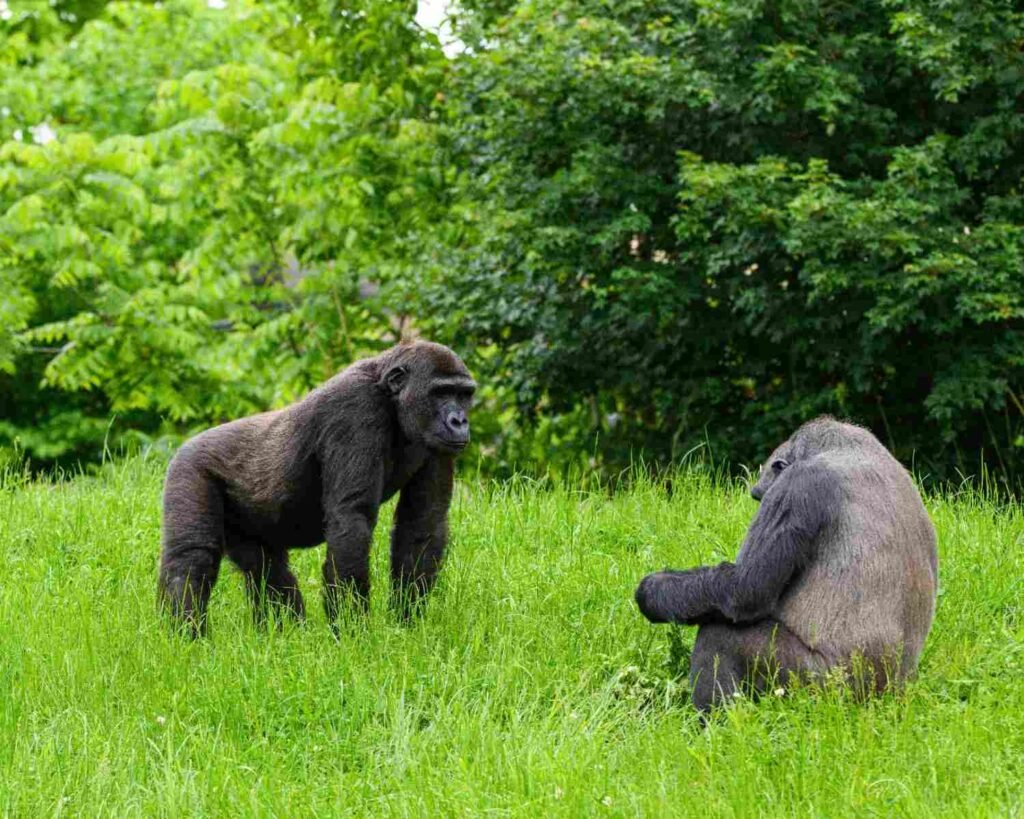
Uganda vs. Rwanda Gorilla Trekking: Permits, Costs, Terrain & Which Suits Your Trip
Deciding between Uganda vs. Rwanda gorilla trekking is one of the most consequential choices you will make when planning an East African wildlife expedition. Both countries protect endangered mountain gorillas (Gorilla beringei beringei) in dramatic volcanic and rainforest habitats, yet the permit pricing, trail conditions, transfer logistics, and multi-day safari value differ significantly. Here is a practical, field-tested breakdown to help you choose the right destination for your travel style, timeline, and budget.
Quick Verdict: Which Country Should You Choose?
- Choose Uganda if you want lower standard permit fees, a wider variety of gorilla families across multiple sectors, four-hour Gorilla Habituation Experiences, world-class birding (1,090+ species), and rich 14-to-21-day savanna, primate, and rainforest circuits.
- Choose Rwanda if you have a tight schedule, prefer a shorter road transfer from an international hub (around 2.5 to 3 hours from Kigali to Volcanoes National Park), and are comfortable paying a higher permit rate for quick access.
- Consider a Cross-Border Circuit if you want the efficiency of arriving via Kigali and trekking in southwestern Uganda, or combining primates in both countries on a tailored itinerary.
At-a-Glance Comparison: Uganda vs. Rwanda
Before diving into permit regulations, trail gradients, and multi-week routing, use this side-by-side overview to see how Uganda’s Bwindi Impenetrable National Park and Mgahinga Gorilla National Park compare with Rwanda’s Volcanoes National Park.
| Comparison Factor | Uganda (Bwindi & Mgahinga) | Rwanda (Volcanoes NP) |
|---|---|---|
| Standard Foreign Non-Resident Permit | Lower standard fee (check current UWA rates & low-season windows) | US$1,500 per person for international non-residents |
| Special Gorilla Experiences | Standard 1-hour trek + 4-hour Gorilla Habituation Experience | Standard 1-hour trek (plus Golden Monkey tracking nearby) |
| Typical Terrain & Hiking Feel | Steep ridges, thick undergrowth, tangled vines, and lush forest valleys | Volcanic slopes, bamboo zones, afro-montane forest, and high-altitude climbs |
| Transfer From Main Airport | Long scenic drive from Entebbe or short bush flight to Kihihi/Kisoro airstrips | Roughly 2.5 to 3 hours by road from Kigali International Airport |
| Broader Safari & Birding Depth | Savanna big game, chimpanzees, 1,090+ bird species, Albertine endemics | Compact, high-end itineraries; easily paired with Uganda or wider regional stops |
1. Gorilla Trekking Permits & Regulations
In both countries, gorilla trekking is strictly regulated to protect the health and natural behavior of wild mountain gorillas. A single trekking permit grants access to a habituated gorilla family for up to one hour once the rangers locate the group, with a strict cap of eight visitors per family per day and a minimum age requirement of 15 years. Because mountain gorillas share roughly 98% of their DNA with humans, strict hygiene and health protocols—including maintaining a safe distance of around seven meters and refraining from trekking if you have a cold, flu, or respiratory illness—apply across all park sectors.
In Uganda, permits are issued through the Uganda Wildlife Authority (UWA) across Bwindi Impenetrable National Park and Mgahinga Gorilla National Park. Because Uganda protects a large share of the global mountain gorilla population across multiple sectors, permit inventory is spread across distinct trailheads. Furthermore, Uganda offers the Gorilla Habituation Experience in Rushaga (Bwindi), where travelers spend up to four hours alongside researchers and trackers helping a semi-habituated family adjust to human presence. For serious photographers and travelers who want deeper behavioral observation, that four-hour window is a major advantage that Rwanda does not replicate in the same format.
In Rwanda, permits are managed by the Rwanda Development Board (RDB) for Volcanoes National Park. The permit structure is straightforward and transparent, with a standard rate of US$1,500 for foreign non-residents and discounted tiers available for qualifying categories during non-peak periods. However, because Rwanda has fewer habituated families than Bwindi’s multi-sector network, securing exact dates during peak travel months requires early planning.
A practical tip for both destinations: permits are tied to specific dates and visitor passport details, and high-demand windows sell out months ahead. Working with a licensed operator ensures your permit is verified, your sector or trailhead matches your lodge location, and your ground logistics align seamlessly with morning briefing times. If you are still evaluating operators, review our guide on how to select trustworthy tour operators for Bwindi gorilla safaris before paying any deposit.
2. Total Trip Costs: Looking Beyond the Permit Price
Many travelers compare Uganda and Rwanda solely by looking at the headline permit cost. While the permit is often the single largest line item in a short gorilla trip, the total cost of a safari depends on several moving parts:
- Permit Fees & Seasonal Rules: Rwanda’s headline foreign non-resident permit sits at US$1,500, whereas Uganda’s permit structure is substantially lower at the standard foreign non-resident tier, with seasonal adjustments and tariff updates that your safari planner should confirm for your exact travel dates.
- Domestic Flights vs. Ground Transfers: In Uganda, you can drive from Entebbe or take a scheduled domestic flight to airstrips serving Bwindi (such as Kihihi or Kisoro), which saves hours on the road and pairs naturally with a fly-in vs. road gorilla trekking strategy. In Rwanda, shorter transfer distances from Kigali keep driving hours compact, though private 4×4 vehicle hire and high-end lodge nightly rates still shape the overall budget.
- Accommodation Tier: Both countries feature ultra-luxury eco-lodges, upscale forest retreats, and comfortable mid-range properties. Your nightly accommodation choice—especially if you stay for three or four nights to reduce fatigue—often outweighs minor differences in ground fuel costs.
- Trip Length & Multi-Activity Value: If you are flying long-haul from North America, Europe, or Asia, stretching your journey into a 14-to-21-day expedition distributes your long-haul airfare across more experiences. Uganda excels here because you can combine gorillas with savanna wildlife, chimpanzees, and birding without crossing international borders every few days.
For budget-conscious luxury travelers who still want top-tier guiding, comfortable vehicles, and well-located lodges, Uganda typically delivers stronger overall value per day—especially on multi-week itineraries. Travelers who prioritize a short, high-convenience 3-to-5-day escape from Kigali may find Rwanda’s compact geography appealing despite the higher permit cost.
3. Terrain, Hiking Difficulty & Physical Expectations
Mountain gorilla trekking is not a casual nature walk. Even when gorillas are found relatively close to the forest edge, you are hiking on uneven forest floors, steep inclines, muddy roots, and dense vegetation—often at elevations above 1,500 to 2,500+ meters.
In Uganda, Bwindi’s name—”Impenetrable”—reflects its dense, layered montane and lowland rainforest cover. Trails can wind up steep hills and drop into damp valleys, and undergrowth may be thick enough that rangers occasionally clear paths with a panga. Each sector in Bwindi offers a slightly different physical profile:
- Buhoma: Often favored by first-time trekkers and travelers pairing Bwindi with Queen Elizabeth National Park, offering accessible logistics and strong lodge variety.
- Rushaga: Known for multiple habituated gorilla families, Gorilla Habituation experiences, and convenient access from the southern side.
- Nkuringo: Dramatic ridge and valley scenery with steeper, more physically demanding climbs that reward fit hikers.
- Ruhija: Higher-elevation forest character with rewarding birdlife and quieter trails.
In Rwanda, Volcanoes National Park sits within the Virunga volcanic chain, featuring bamboo forests, open volcanic slopes, and high-altitude climbs that can also test your stamina and breathing depending on where the gorilla family moves that morning.
Regardless of which country you pick, hiring a local porter at the briefing point is one of the smartest decisions you can make. A porter carries your daypack and camera bag, offers a steadying hand on steep or slick mud, and directly supports local community livelihoods. Good hiking boots with ankle support, gaiters, gardening or trekking gloves, and breathable rain layers are essential in both destinations.
4. Birding, Wildlife Variety & Multi-Day Safari Depth
If your trip is strictly about a quick gorilla encounter, both countries can deliver that memorable hour in the forest. If your goal is a comprehensive East African wildlife and birding journey, the difference in breadth becomes clear.
Uganda is a powerhouse for biodiversity, recording more than 1,090 bird species—including the iconic Shoebill Stork and numerous Albertine Rift endemics—alongside chimpanzees in Kibale Forest, tree-climbing lions in Ishasha, and classic savanna game viewing. If avian diversity is central to your trip, explore our dedicated Uganda birding safaris guide to see how forest, wetland, and savanna habitats connect across a 14-to-21-day route.
Rwanda offers a clean, compact circuit pairing Volcanoes National Park with Kigali, Nyungwe, or Akagera, and it also serves as a popular entry point for travelers crossing south into Bwindi or Mgahinga when routing makes sense.
5. Best Seasons & Practical Travel Planning
Both Uganda and Rwanda can be visited year-round, as mountain gorillas live in evergreen mountain forests rather than migrating seasonally. However, rainfall patterns influence trail muddiness, photography lighting, and transfer comfort:
- Drier Safari Windows: Mid-year (roughly June through August/September) and the short dry stretch around December through February generally offer drier trails and easier road movement, though mountain rainforests can still experience sudden showers at any time.
- Wetter Months & Birding Appeal: Transitional and wetter periods bring lush green landscapes, dramatic skies, and migratory bird activity, while requiring extra care with waterproof gear and footing on steep slopes.
Before finalizing flights, check current entry visa rules, yellow fever vaccination requirements, and travel insurance coverage that includes medical evacuation and trip flexibility. You can also browse our safari FAQs for answers to common questions on permits, packing, and booking timelines.
Frequently Asked Questions: Uganda vs. Rwanda Gorilla Trekking
Is gorilla trekking easier in Rwanda or Uganda?
Difficulty depends more on the specific gorilla family’s location that day and your personal fitness than on the country alone. Both destinations involve steep, uneven, and sometimes muddy forest terrain, so a moderate baseline of fitness and proper footwear help in either country.
Why is a Rwanda gorilla permit more expensive than Uganda’s?
Rwanda sets its international non-resident permit at US$1,500 as part of a high-value conservation and tourism model, while Uganda offers lower standard permit pricing and multi-sector access across Bwindi and Mgahinga.
Can I visit Uganda for gorilla trekking without long road drives?
Yes. You can book domestic flights to airstrips serving Bwindi or plan cross-border routing where appropriate, reducing long overland stretches while keeping your itinerary comfortable and well-paced.
How long should I spend on a Uganda gorilla and wildlife safari?
While short 3-to-5-day trips focus tightly on gorillas, 10 to 21 days allows you to combine Bwindi or Mgahinga with birding hotspots, chimpanzees, and savanna parks at a relaxed pace.
Plan Your Custom Gorilla & Safari Itinerary with Country Sights Tours
Whether you are comparing Uganda vs. Rwanda, planning a 14-to-21-day birding and primate circuit, or securing gorilla permits for your preferred dates, our team will tailor every detail around your schedule and interests.
WhatsApp Us: +256 772 910 791
Email: info@countrysightstours.com
Website: https://countrysightstours.com/