
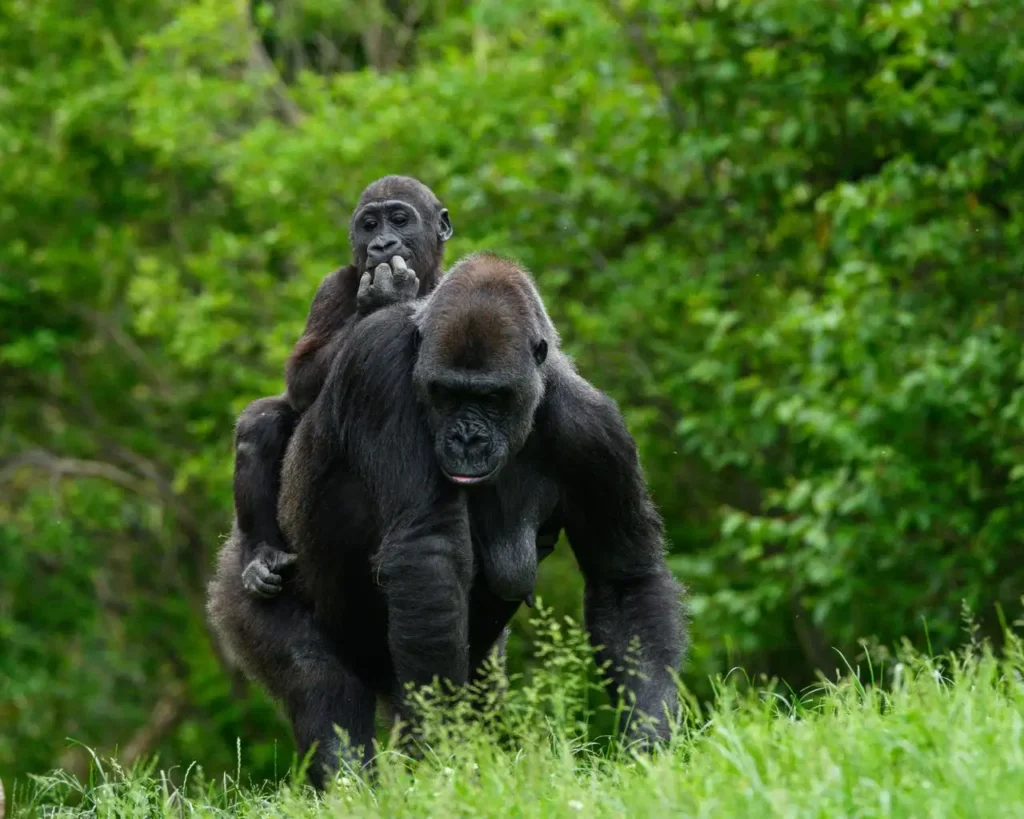
Uganda’s mountain gorilla trekking stands among the most sought-after wildlife encounters in Africa, providing exclusive, close-up experiences with these extraordinary primates. Securing the right gorilla permit is essential – not only does it unlock access to this extraordinary adventure, it ensures that your entire safari journey, from private vehicle to exceptional lodges, unfolds as promised.
Travelmonke specializes in confirmed Uganda Wildlife Authority permit allocations, offering guests the unique advantage of having trekking dates set before any payment is requested. This standard, preferred by families, couples, and discerning travelers seeking privacy, takes the guesswork out of complex or multigenerational itineraries. With strong demand for both standard and habituation permits – particularly in peak months – advanced, accurate planning is key to securing the most desirable dates and accommodations for your Uganda luxury safari.
Below is a fully detailed guide covering every aspect of the gorilla permit booking process in Uganda for 2026: definitions, procedures, pricing (with residency and seasonal details), required traveler documents, timing strategies, official rules, common mistakes to avoid, and practical answers to frequent guest questions.
Permits, wildlife encounters, and availability are always subject to official Uganda Wildlife Authority guidelines. The information here is intended as an informational resource and not as legal, health, or financial advice. Please consult directly with official authorities or Travelmonke for the most current details before booking.
What a Gorilla Permit Is
A gorilla permit is an official, named document issued by the Uganda Wildlife Authority, granting the holder the right to join a guided trek to see wild mountain gorillas in protected Ugandan parks. The permit covers a host of essential safari elements – park entry, professional rangers and trackers, conservation contributions, and official assignment to a designated gorilla family and trekking group.
Permits are not optional. Every traveler entering the protected gorilla sectors (whether for standard trekking or the advanced Gorilla Habituation Experience) must hold a valid permit for the specific date and sector booked. Permits are issued for individual travelers and for one specific day and park area only.
Where Are Gorilla Permits Required?
Permits are mandatory in Uganda’s two mountain gorilla destinations:
-
Bwindi Impenetrable National Park: The primary site for gorilla trekking in Uganda, home to over half of the world’s remaining mountain gorillas, with nearly 20 habituated families across four trekking sectors. Details about park terrain, families, and practical trekking advice are available in Bwindi Impenetrable National Park, Uganda’s main gorilla trekking park.
-
Mgahinga Gorilla National Park: Uganda’s smallest national park, more exclusive, with one or two habituated groups and daily permit limits.
Types of Gorilla Permits in Uganda
Uganda offers two main gorilla permit options:
- Standard Gorilla Trekking Permit
- Entitles you to join a small group (max 8 guests plus guides) for up to one hour in the company of a habituated gorilla family. This is the most widely issued permit type.
- Gorilla Habituation Experience Permit
- Grants up to four hours with a semi-habituated family, accompanied by trackers and researchers. Only four guests per day are admitted to each habituation trek, making this option rare and in high demand.
Summary Table: Gorilla Permit Types
| Permit Type | Gorilla Viewing Time | Group Size | Locations Available |
|---|---|---|---|
| Standard Trekking | 1 hour | 8 guests per group | Bwindi, Mgahinga |
| Gorilla Habituation | 4 hours | 4 guests per group | Select Bwindi sectors |
Permits must be reserved for a specific date, named park sector, and the registered guest.
Gorilla Permit Prices in Uganda 2026
Official gorilla permit tariffs in Uganda are set and reviewed by the Uganda Wildlife Authority. Prices vary according to visitor category (non-resident, resident, regional), and some permit types receive seasonal discounts during certain months.
Current 2026 Uganda Gorilla Permit Tariffs
Standard Gorilla Trekking Permit
-
Peak Season (January–March, June–October, December)
- Foreign non-resident: $800 per person
- Foreign resident: $700 per person
- Other African nationals: $500 per person
- East African citizens: UGX 300,000
-
Low Season (April, May, November)
- Foreign non-resident: $600 per person
- Foreign resident: $500 per person
- Other African nationals: $400 per person
- East African citizens: UGX 250,000
Gorilla Habituation Experience Permit
- Foreign non-resident: $1,500 per person
- Foreign resident: $1,000 per person
- Other African nationals: $1,000 per person
- East African citizens: UGX 750,000
Discounted rates for habituation permits are not available, and low-season pricing only applies to standard trekking in April, May, and November.
2026 Uganda Gorilla Permit Pricing Table
| Permit Type | Visitor Category | Peak (USD/UGX) | Low Season (USD/UGX) |
|---|---|---|---|
| Standard Trekking | Foreign non-resident | $800 | $600 |
| Foreign resident | $700 | $500 | |
| African nationals | $500 | $400 | |
| East African citizens | UGX 300,000 | UGX 250,000 | |
| Gorilla Habituation | Foreign non-resident | $1,500 | Not discounted |
| Foreign resident | $1,000 | Not discounted | |
| African nationals | $1,000 | Not discounted | |
| East African citizens | UGX 750,000 | Not discounted |
Notice: All rates are as published for the 2026 season, but are subject to periodic review and may change. Plans are in place for the Gorilla Habituation Experience permit fee to rise in January 2027 (new tariff TBA). Always verify the latest official fee before booking.
Step-by-Step: How to Book Your Gorilla Permit
Luxury Uganda safaris prioritize not only the quality of your wildlife experience but the reliability and transparency of the booking process. Travelmonke’s structure confirms exact trekking dates and sectors before you make any deposit, greatly minimizing permit or itinerary risk.
Booking Your Gorilla Permit: Step-by-Step
-
Select Your Preferred Trekking Date and Park
- Decide which sector of Bwindi or whether Mgahinga better fits your interests, then set an exact trekking date.
-
Choose Permit Type
- Decide between the 1-hour standard trekking permit or the 4-hour Gorilla Habituation Experience.
-
Verify Your Visitor Category
- Identify whether you qualify as foreign non-resident, foreign resident, African national, or East African citizen. Have supporting documentation ready.
-
Prepare Accurate Passenger Details
- Full legal name as on passport, passport number, nationality, and date of birth are required.
- Medical declarations (such as respiratory status) may be requested for guest and gorilla safety.
-
Contact Travelmonke for Permit Allocation
- Travelmonke’s direct permit allocation with the Uganda Wildlife Authority allows your permits to be reserved on your behalf with guaranteed dates and sector.
-
Receive Written Permit Confirmation Before Deposit
- You will be sent formal confirmation specifying date, sector, and guest name before paying your deposit. This practice sharply reduces risks found with agencies relying on secondary allocation.
-
Pay Your Deposit and Retain Proof
- Typical deposit amounts are 30% of trip value. Keep all receipts and communications in case any clarification is needed.
-
Coordinate Safari Logistics
- Secure your private vehicle, senior driver-guide, and preferred luxury lodges (usually fewer than 20 rooms per property).
-
Prepare for Trekking Day
- Receive a detailed pre-trek briefing outlining the day’s timings, group organization, and park health and safety protocols.
Booking Checklist
- Exact trekking date and sector chosen
- Standard or habituation permit selected
- Visitor category and price confirmed with valid documents
- Personal and medical details checked for accuracy
- Written confirmation received before any payment
- Deposit paid with evidence retained
- Accommodation and transport arrangements finalized
- Pre-trek briefing review scheduled
For full procedural clarity and detailed requirements, consult the comprehensive Uganda gorilla permit booking guide.
Best Time to Book and Trek
Gorilla trekking in Uganda can be enjoyed all year, but availability, comfort, pricing, and wildlife movement change with the season.
-
Peak Seasons (June–September, December–February):
- Permit and luxury lodge demand is highest. Trail conditions are drier, which makes trekking easier. Habituation and premium lodge spaces often sell out 9–15 months before departure, so early planning is crucial.
-
Low Season (April, May, November):
- Discounted permit rates for standard trekking. Trails are muddier and trekking is more challenging, but forests appear lush and less crowded. Lodges may have more flexible terms but remain limited in top gorilla sectors.
-
Advance Booking Recommendations:
- Book at least 9–12 months ahead for peak dates, and 4–6 months for low season if you require specific lodge or sector access.
- Habituation permits are extremely limited: only four permits per family/day.
-
Weather and Trail Conditions:
- Uganda’s equatorial climate supports trekking year-round, but heavy rain can complicate trails during low season.
-
Itinerary Flexibility:
- Travelmonke’s model – confirmation before deposit – makes it easier to adjust the itinerary for changed flight timings, health considerations, or group preference (within published refund and change policies).
-
Extended East Africa Safaris:
- Consider layering Kenya, Rwanda, or Tanzania onto your itinerary for an enriched experience.
Tip: Plan as far ahead as feasible, particularly for large families and groups wanting exclusive use of lodges or vehicles.
Documents and Details You’ll Need
Successful booking relies on submitting the precise details required by the Uganda Wildlife Authority and your operator. Mistakes often result in permit invalidation or denied entry on trek day.
-
Exact Passport Data
- Legal full names as written, number, nationality, and date of birth.
-
Proof of Visitor Category
- Foreign residents and African nationals should accompany bookings with residency cards or identity evidence.
-
Medical Declarations
- Recent or chronic respiratory illness, fever, or other infectious conditions must be reported honestly. UWA guidelines may bar participation to protect gorilla health.
-
Payment and Invoicing
- Payments must reference the booking or traveler name. Keep every payment confirmation and written email trail.
-
Contact and Emergency Information
- Valid mobile number for each group member and secondary contact, especially in larger or multigenerational groups.
- Disclose accessibility needs or serious allergies/person-specific factors that may affect the trek.
Warning: Once a permit is issued, any changes to names, spelling, or nationality may void the document and require repayment at current tariffs.
Permit Rules and Trekking Conditions
Uganda Wildlife Authority’s permit conditions are strictly enforced to protect both travelers and gorillas.
-
Time and Group Size
- Standard permit grants up to 1 hour with one habituated family; 8 guests per trekking group.
- Habituation permit gives up to 4 hours, limited to 4 guests per group.
-
Age Restrictions
- Minimum trekking age: 15 years.
-
Health Measures
- Maintain a minimum distance of 7 meters; some Bwindi sectors may impose a stricter 10-meter limit based on current health protocols.
- Declare illnesses – especially coughs, colds, or flu – before trek day. Entry may be refused if symptoms are apparent.
- Eating, drinking, and flash photography are forbidden near gorillas.
- Face masks may be mandatory as per evolving UWA guidelines.
-
Permit Usage
- Permit is valid only for the named guest, on the assigned date, in the agreed park/sector. No name changes, resales, or substitutions allowed.
-
Included and Excluded Fees
- Permits include entry, ranger guidance, and most conservation costs.
- Not included:
- Porter fees (generally $20 per porter, hired locally; strongly recommended)
- Gratuities for guides, porters, and lodge staff
- Personal trekking equipment
-
Wildlife Sightings
- Ranger teams maximize chances of successful gorilla viewing, but sightings cannot be guaranteed; no wild animal encounter is ever 100% assured.
-
Cancellation and Change Policy
- Discounted low-season permits are usually non-reschedulable; all date changes and cancellations are governed by official UWA policy at time of booking.
- Always treat cancellation and refund policy as informational until confirmed in writing by your operator.
Traveler Responsibility: Adhering to these rules ensures memorable wildlife encounters while helping preserve Uganda’s wild gorilla populations for the future.
Uganda vs Rwanda vs Other Options
East Africa offers several gorilla trekking choices, with Uganda and Rwanda being the most popular for luxury-focused travelers and families. The differences between them have a direct impact on price, itinerary, and experience quality.
Permit Pricing and Experience Comparison
| Country | Peak Season Standard Permit | Habituation Experience | Group Size / Max Time | Main Parks |
|---|---|---|---|---|
| Uganda | $800 (2026 tariff) | $1,500 (4 hours) | 8/1hr, 4/4hrs | Bwindi, Mgahinga |
| Rwanda | $1,500 | Not offered | 8/1hr | Volcanoes National Park |
- Uganda’s standard permit is roughly half the price of Rwanda’s equivalent for a similar 1-hour trek.
- Uganda uniquely offers the extended 4-hour Gorilla Habituation Experience, ideal for those seeking more time and a more immersive encounter.
- Both countries require permits to be booked with the park authority or an authorized tour operator.
Booking Procedures and Availability
- Travelmonke’s direct-allocated permits guarantee your trekking date and sector before you pay, which protects travelers from last-minute date or sector changes.
- Both countries set strict daily permit quotas; peak months can sell out 9–12 months in advance.
- Uganda’s luxury trekking sectors feature exclusive, small lodges (often under 20 rooms), while Rwanda’s lodges are typically larger and higher-priced.
Itineraries and Multi-Country Flexibility
- Bwindi and Mgahinga in Uganda provide varied, often more remote and private environments.
- Travelmonke customizes itineraries to extend Uganda adventures with Kenya or Tanzania wildlife safaris, or even gorilla trekking in Rwanda, maximizing your investment and time in East Africa.
For a detailed analysis, read the Uganda vs Rwanda gorilla trekking comparison.
Common Mistakes to Avoid When Booking Gorilla Permits
The specialized and highly regulated nature of gorilla permits leaves little room for administrative error. Protect your safari investment by steering clear of these common pitfalls:
-
Booking Without Written Confirmation
- Always insist on a copy of your official permit confirmation before paying a deposit. Avoid operators who cannot supply it.
-
Providing Incorrect Passport or Personal Details
- Any error can render your permit invalid. Double- and triple-check every name, number, and date.
-
Assuming All Dates Qualify for Discounts
- Low-season permit rates only apply in April, May, and November for standard treks (not habituation). No exceptions are made outside published windows.
-
Booking Too Late
- Procrastination results in missed peak dates, preferred lodges, and even entire trip delays. Act immediately upon deciding your preferred time.
-
Ignoring Health or Park Rules
- Failing to declare illness or breaching park conduct protocols risks your participation and the safety of gorillas.
-
Not Retaining Payment and Permit Proof
- Lost receipts or booking emails delay or complicate on-ground arrangements.
-
Confusing Standard and Habituation Permits
- These experiences differ in both time and cost. Confirm you are booked for your intended permit and sector.
Example: A honeymooning couple who submitted inconsistent passport numbers were denied entry to their scheduled trek – details must always match.
Frequently Asked Questions
How much does a Uganda gorilla permit cost in 2026?
The standard trekking permit for foreign non-residents costs $800 in peak season, with a discount to $600 during April, May, and November. Other residency categories and citizens of East African countries pay less as per the current official tariff.
What is the difference between standard and habituation permits?
Standard permits allow up to one hour with a habituated gorilla family. Habituation permits provide up to four hours with researchers and a semi-habituated gorilla group; only available in certain Bwindi sectors and at a higher, non-discounted price.
When should I book my gorilla permit?
As early as possible – ideally 9–15 months in advance for peak season, and at least 4–6 months for low season, especially for those seeking exclusive lodges or multiple permits.
Are there cheaper permits in the low season?
Discounted standard permits are available for non-residents and some residents for April, May, and November only. There are no discounts for Gorilla Habituation Experience permits.
Which Uganda parks require gorilla permits?
Gorilla permits are mandatory for both Bwindi Impenetrable National Park and Mgahinga Gorilla National Park.
Are gorilla permits refundable or transferable?
Under most circumstances, permits are named, date-specific, and non-transferable. Partial refunds or rescheduling may be granted in rare, officially recognized events as per Uganda Wildlife Authority policy.
How many guests per gorilla trekking group?
Up to 8 for standard treks and 4 for habituation experiences.
Can foreign residents access different rates?
Yes. Foreign residents in East Africa with appropriate documentation can book with the resident rate.
What happens if I fall ill before trekking?
Notify your operator immediately. Trekking with active illness risks gorilla health, and entry may be denied to uphold conservation safety.
What does the Gorilla Habituation Experience include and exclude?
The permit covers four hours in the forest with researchers, park entry, and conservation fees. It does not cover porter fees, tipping, transportation, or your accommodation.
Advance planning, double-checking your details, and only working with reliable, directly connected operators like Travelmonke are the best ways to secure your ideal Uganda gorilla trekking adventure – privately, with clarity and exceptional care every step of the way.